Navigating Joint Pain and Muscle Aches During Perimenopause and Menopause
12/28/20252 min read
Understanding Perimenopause and Menopause
Perimenopause and menopause are significant transitional phases in a woman’s life, marking the end of reproductive years. These changes often bring about various physical and emotional symptoms, among which joint pain and muscle aches can be particularly troublesome. Understanding the underlying causes and management strategies can help alleviate these symptoms.
Hormonal Changes and Their Impact on Musculoskeletal Health
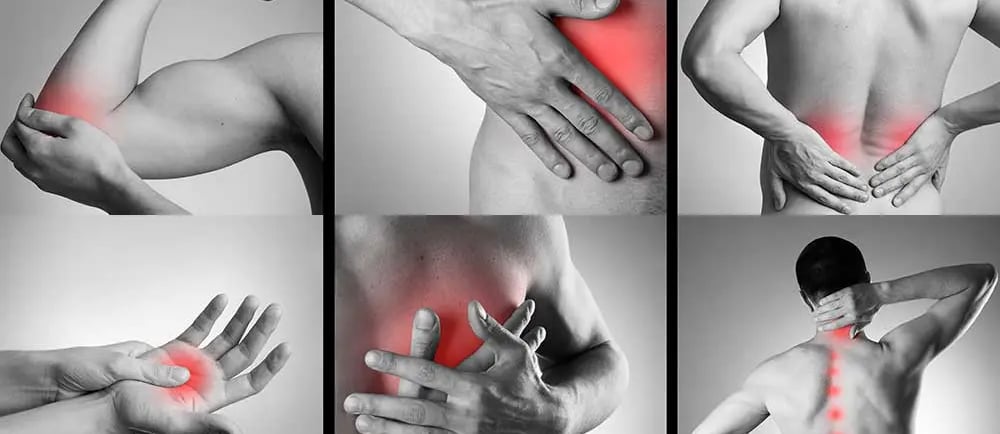
During perimenopause, which can begin several years before menopause, oestrogen levels fluctuate widely. Oestrogen is known to have a protective effect on joint health by maintaining cartilage and reducing inflammation. As oestrogen levels decline during menopause, women may notice an increase in joint pain and muscle aches. This decline can lead to conditions such as osteoarthritis, characterised by the deterioration of cartilage and inflammation of the joints.
Managing Joint Pain and Muscle Aches
While joint pain and muscle aches can be distressing, several effective strategies can help manage these symptoms. Here are some approaches to consider:
Regular Exercise: Engaging in low-impact activities like walking, swimming, or yoga can help strengthen muscles and improve joint flexibility. Exercise releases endorphins, which naturally help to alleviate pain.
Nutrition: A balanced diet rich in anti-inflammatory foods, such as fruits, vegetables, Omega-3 fatty acids, and whole grains, can drastically improve overall joint health. Staying hydrated is also crucial for maintaining joint lubrication.
Heat and Cold Therapy: Applying heat can relax tense muscles and improve blood flow, while cold therapy can reduce swelling and numb sharp pain.
Medications: Over-the-counter pain relievers like non-steroidal anti-inflammatory drugs (NSAIDs) may be helpful. It is important to consult with a healthcare provider for personalised recommendations.
Physical Therapy: Professional guidance from a physio therapist can provide tailored exercises aimed at strengthening and stabilising the musculoskeletal system.
Hormone Replacement Therapy (HRT): HRT can be beneficial in managing menopausal symptoms, including joint pain. By replenishing hormone levels, HRT may help maintain joint health and reduce inflammation, allowing for a more comfortable transition.
Recognising that these symptoms are largely due to hormonal changes can ease some concerns. However, if pain persists or intensifies, it is advisable to discuss this with a healthcare professional to rule out any other conditions or to develop a more targeted treatment plan.
Conclusion
Joint pain and muscle aches during perimenopause and menopause can present significant challenges for many women. Understanding that these symptoms are related to hormonal changes empowers women to seek appropriate interventions and maintain their quality of life. With the right strategies, including HRT, it is possible to navigate this transitional phase with greater ease and comfort.
Contact:
website: calmmenopause.co.uk
Telephone: 07511039004
© 2024. All rights reserved.
email: vikki@calmmenopause.co.uk